

The Ultimate Guide to Forex Trading Live: Strategies, Tips, and Tools
In today’s fast-paced financial world, forex trading live Pro Trading UAE has emerged as one of the most popular ways for individuals to engage in the global marketplace. It enables traders to buy and sell currency pairs in real-time, capitalizing on fluctuations in currency values for profit. This article delves deep into the fascinating world of live forex trading, providing readers with useful insights, effective strategies, and essential tools.
Understanding Forex Trading
Forex, or foreign exchange, is the decentralized global market for trading currencies. It is the largest financial market in the world, with an average daily trading volume exceeding $6 trillion. Unlike traditional stock markets, the forex market operates 24 hours a day, five days a week, allowing traders from all over the globe to participate at any time.
The Mechanics of Live Forex Trading
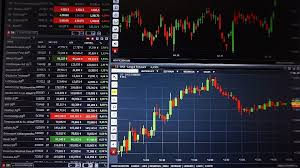
Live forex trading involves entering real-time trades based on market conditions. Traders utilize various platforms, often equipped with sophisticated charting tools and real-time data feeds, to track price movements and execute trades efficiently. This immediacy is crucial, as currency prices can change rapidly, sometimes within seconds.
Choosing a Trading Platform
Selecting the right trading platform is paramount for a successful trading experience. Factors to consider include the platform’s user interface, fee structure, and the tools available for analysis. Many traders prefer platforms that offer demo accounts, allowing them to practice trading strategies without risking real money.
Currency Pairs and Leverage
In forex trading, currencies are traded in pairs. Each currency pair consists of a base currency and a quote currency. For instance, in the pair EUR/USD, the euro is the base currency and the U.S. dollar is the quote currency. Traders analyze these pairs to determine when to enter or exit trades.
Leverage is another key concept in forex trading, allowing traders to control a larger position with a smaller amount of capital. However, while leverage can significantly amplify profits, it can also lead to substantial losses.
Technical and Fundamental Analysis
Successful forex trading often hinges on a trader’s ability to analyze market conditions effectively. Two primary methods of analysis are technical and fundamental analysis:
- Technical Analysis: This involves analyzing historical price data and utilizing various indicators and chart patterns to forecast future price movements. Tools like moving averages, Relative Strength Index (RSI), and Fibonacci retracement levels are often employed.
- Fundamental Analysis: This approach focuses on economic indicators, geopolitical events, and market sentiments that may affect currency values. Key reports like GDP growth, employment rates, and central bank decisions are crucial components of fundamental analysis.
Effective Trading Strategies
Developing a successful trading strategy is essential for any forex trader. Here are some popular strategies used in live trading:
1. Scalping
Scalping is a short-term trading strategy where traders aim to gain small profits from several trades throughout the day. This method requires quick decision-making and a sound understanding of market volatility and price trends.
2. Day Trading
Day traders open and close positions within the same trading day. Their goal is to capitalize on intraday price movements. A solid knowledge of market hours and events that may influence the market is crucial for success.
3. Swing Trading
Swing trading involves taking advantage of price “swings” in the market. Traders typically hold positions for several days to weeks, allowing them to capture more significant price movements. This strategy combines aspects of both technical and fundamental analysis.
Risk Management in Forex Trading
Managing risk is as essential as developing a trading strategy. Here are several risk management techniques that traders should consider:
- Setting Stop-Loss Orders: A stop-loss order automatically closes a position at a predetermined price level, helping to minimize losses.
- Position Sizing: This involves determining the amount of capital to risk on each trade based on account size, trading strategy, and market conditions.
- Diversifying Your Portfolio: Diversification can reduce risk, as different currency pairs may perform differently under varying market conditions.
The Importance of Continuous Learning
The forex market is ever-evolving, requiring traders to stay informed and continuously learn. Many experienced traders recommend participating in webinars, reading books, and following reputable financial news sources to broaden one’s knowledge. Additionally, engaging with trading communities, both online and offline, can provide valuable insights and support.
Conclusion
Forex trading live can be a rewarding venture for those willing to invest the time and effort to learn the intricacies of the market. By understanding the mechanics of trading, employing effective strategies, and managing risk appropriately, traders can enhance their chances of success. Remember, consistency and discipline are the keys to long-term profitability in the forex market. Whether you’re a novice or an experienced trader, embracing the dynamic nature of forex trading can lead to new opportunities and insights.