

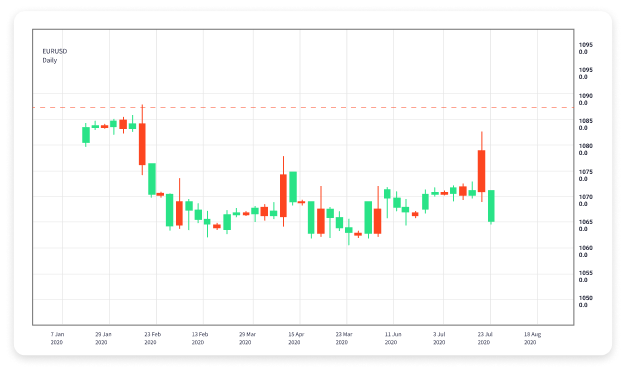
In the fast-paced world of Forex trading, making informed decisions can be the difference between gaining or losing substantial amounts of capital. This is where trading signals come into play. Trading signals are indicators or alerts that suggest when it might be a good time to buy or sell a currency pair. For both novice and experienced traders, understanding these signals is crucial for optimizing their trading strategies. To enhance your trading experience, you can check out trading signals forex Trader APK. This article will discuss the different types of Forex trading signals, how to interpret them, and the best practices for using them in your trading approach.
What Are Forex Trading Signals?
Forex trading signals are recommendations to buy or sell a currency pair at a specified price and time, based on technical analysis, market research, and recent market developments. These signals come from various sources, including expert traders, automated algorithms, or specialized trading platforms. By leveraging trading signals, you can refine your entry and exit strategies, automate decisions, and ultimately enhance your trading outcomes.
Types of Forex Trading Signals
There are various types of Forex trading signals, each serving different purposes based on market conditions and trading strategies. Here are the most common signal types:
1. Manual Trading Signals
Manual trading signals are generated by experienced traders who analyze the market independently and provide suggestions based on their research. These signals often come with comprehensive explanations of the reasoning behind the trade recommendation, allowing users to learn from the expert analysis.
2. Automated Trading Signals
Automated trading signals are generated by trading algorithms and systems that analyze large amounts of data and execute trades based on predefined criteria. These signals can be particularly useful for traders who may not have the time to analyze the markets themselves.
3. Technical Analysis-Based Signals
These signals are based on technical indicators, which are mathematical calculations derived from price, volume, or open interest. Common technical indicators include moving averages, Relative Strength Index (RSI), and Bollinger Bands. Technical analysis-based signals can provide insight into market trends and potential reversal points.
4. Fundamental Analysis-Based Signals
Fundamentals play a crucial role in Forex trading as they relate to the economic health of a country. Signals derived from news events, interest rate changes, and economic indicators can influence currency prices significantly. Traders who utilize fundamental analysis-based signals often keep track of economic calendars and news releases.
5. Sentiment Analysis Signals
These signals are derived from the collective behavior of traders in the market. Sentiment analysis gauges whether traders are generally bullish or bearish on a currency pair. Indicators like the Commitment of Traders (COT) report can provide insight into market sentiment and potential reversals.
Benefits of Using Trading Signals
Implementing Forex trading signals can have several benefits:
- Time-Saving: You can receive trading recommendations without spending hours analyzing charts and market data.
- Informed Decision-Making: Trading signals provide insights from experts, helping you make better-informed trading decisions.
- Enhancing Trading Skills: By following signals and understanding the reasoning behind them, you can improve your own trading strategies.
- Automation: Automated trading signals can help you execute trades based on predetermined criteria, reducing emotional decision-making.
How to Choose the Right Trading Signals
Choosing the right trading signals is essential for your trading success. Here are some tips to consider:
- Reputation of Signal Providers: Research and choose reputable trading signal providers with a proven track record.
- Review Performance History: Look for historical performance data of the trading signals offered by the provider.
- Compatibility with Trading Style: Ensure the trading signals align with your trading style, whether it be day trading, swing trading, or scalping.
- Risk Management: Effective risk management strategies, such as stop-loss orders and position sizing, should complement signal usage to minimize losses.
Integrating Signals into Your Trading Plan
Once you have chosen trading signals, it’s crucial to integrate them effectively into your trading plan. Here’s how:
- Develop a Strategy: Create a well-defined trading strategy that outlines when to enter and exit trades based on signals.
- Evaluate Market Context: Always consider the broader market context before executing trades based on signals.
- Monitor your Trades: Keep track of your trades and performance to evaluate the effectiveness of the trading signals.
- Adjust As Necessary: Adapt your strategies and signal sources based on market changes and personal performance.
Conclusion
Forex trading signals can significantly enhance your trading experience and improve your overall efficiency and outcomes in the Forex market. By understanding the different types of signals, their advantages, and how to effectively integrate them into your trading strategy, you can make more informed and strategic trading decisions. Whether you choose manual or automated signals, reception of expert advice is invaluable in navigating currency markets. Remember to continually assess and refine your approach because the market is always evolving.